
First Property Lawyer Consultation in Spain: Documents and Questions to Prepare
Short answer: for a productive first meeting with a Spanish property lawyer, bring the property listing and address, your passport and NIE (if you already have one), anything you have signed or paid so far, your timetable and your funding plan. Above all, tell the lawyer about any deadline on day one. You do not need a complete legal file before you make contact — gathering and checking documents is part of what the lawyer does.
Most buyers contact a lawyer too late, often after an agent has asked for a reservation deposit. A well-prepared first consultation lets the firm spot the issues that matter in minutes rather than days, give you a realistic fee quote and protect you before any money changes hands. This guide explains what to prepare, what to ask and what to expect afterwards.

In this guide
1. When to book your first consultation
The best moment is before you sign or pay anything — ideally as soon as you have a shortlist of properties. In Spain, the first binding step is often a reservation agreement or a contrato de arras, usually with a deposit of around 10% of the price. Under the most common form (arras penitenciales, article 1454 of the Spanish Civil Code), a buyer who walks away loses that deposit. Once it is signed, your lawyer’s room to negotiate is much smaller.
If you have already signed or paid, do not worry — book the consultation anyway and say so in your first message. Our legal checklist before paying a deposit explains what should be verified at that stage.
2. Documents and information to bring
Think of this as a one-page buyer brief. The more of it you can share, the more precise the lawyer’s first opinion will be.
| Item | What to prepare | Why the lawyer needs it |
|---|---|---|
| Your identity | Passport copy and NIE number if you have one; details of any co-buyer or company. | Spanish anti-money-laundering rules require the firm to identify you before acting; the NIE is needed to sign the deed and pay taxes. |
| The property | Listing link, full address, asking price, agent’s name and contact. | Allows the lawyer to identify the property in the Land Registry and Cadastre. |
| Property documents you already have | Any nota simple, cadastral reference, plans, energy certificate, cédula de habitabilidad, IBI receipt or community fees statement. | Shows gaps and inconsistencies early (e.g. built area in the listing vs. the registry). |
| Your plans | Main home, holiday home, long-term or holiday rental; any planned renovation, pool or extension. | Determines which planning, licensing and tax checks are essential. |
| Anything signed or paid | Offers, reservation forms, arras contracts and payment receipts. | The lawyer must know your existing obligations before advising on the next step. |
| Your timetable | Deadlines set by the seller, preferred completion date, when you will be in Spain. | Sets urgency and shows whether a power of attorney will be needed. |
| Your funding | Cash or mortgage, mortgage stage, origin of funds (Spanish or foreign account). | Mortgage timing affects contract conditions; the firm must also document the source of funds. |
Tip: you can check the official register of practising lawyers in Spain through the Censo General de Letrados of the Spanish Bar Council. Registry extracts can be requested from the Colegio de Registradores and cadastral data checked at the Sede Electrónica del Catastro.
3. Details that change the legal advice
Some facts turn a routine purchase into one that needs deeper due diligence. Mention them in the first conversation, even if you are unsure they matter:
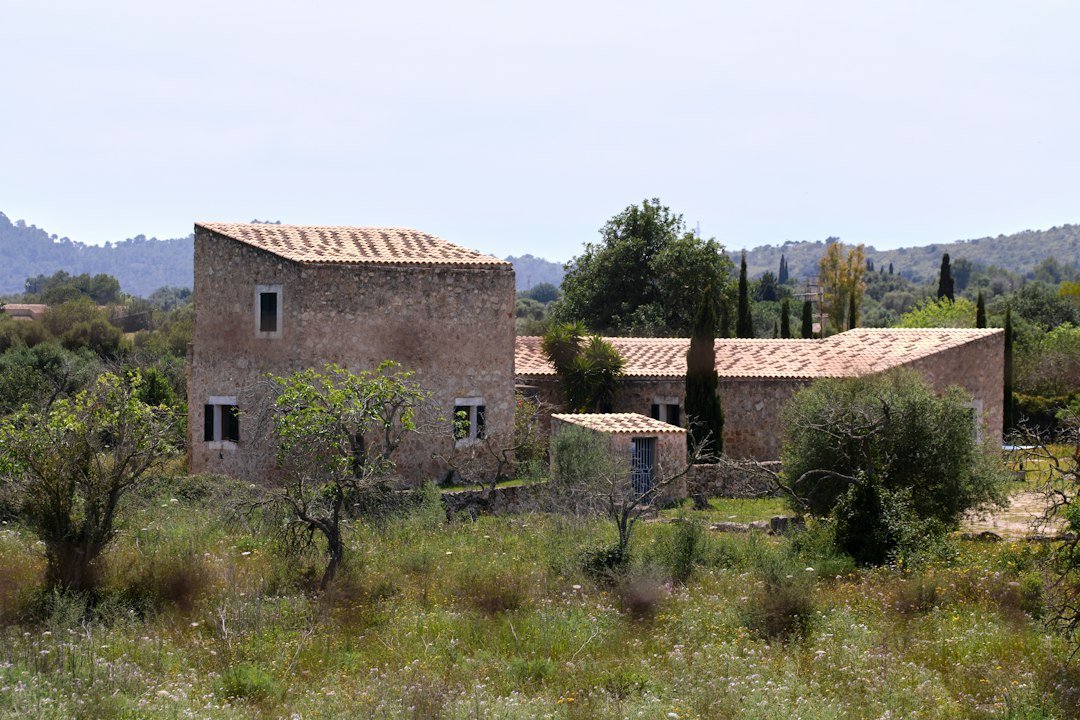
- Rural land (suelo rústico). Fincas often include buildings, pools or extensions without full permits. In Mallorca this is one of the most common problems — see buying rural property in Mallorca.
- Holiday-rental plans. Tourist rental licences are tightly regulated in the Balearic Islands and are not available for every property type or area. Never rely on an agent’s assurance — read tourist rental licences in Mallorca.
- Tenants or occupants. An existing lease or occupied property affects possession and timing.
- Coastal location. Properties near the shoreline can be affected by the Coastal Law (Ley de Costas).
- Inheritance or multiple owners. All registered owners or heirs must sign; an unfinished inheritance can delay completion by months.
- New build or off-plan. Bank guarantees for stage payments and licences must be checked — see buying off-plan in Spain.
- Buying through a company. This changes tax treatment and the documents required.
4. Questions to ask in your first consultation
The first meeting is also your chance to judge whether the firm is right for you. Useful questions include:
- Do you regularly handle purchases in this municipality and for buyers from my country?
- Which checks will you carry out before I sign anything (registry, cadastre, planning, debts, licences)?
- Do you see any immediate risks with this property from the information I have shared?
- What will the total purchase costs be, including transfer tax, notary and registry fees?
- Who will handle my file day to day, and in which language?
- Can you obtain my NIE, open a bank account or act under power of attorney if I cannot travel?
- Do you have any connection with the agent, developer or seller? (Your lawyer should be fully independent.)
5. Fees and engagement terms
Many Spanish property lawyers quote either a percentage of the purchase price — often around 1% — or a fixed fee, plus 21% VAT. Some charge for the first consultation; others offer it free and deduct it from the final fee. Always ask for the quote in writing, with what is included (due diligence, contract review, notary attendance, tax filings, utility transfers) and what is billed separately. Our guide to property lawyer costs in Spain explains typical fee structures.
Protect your data: before sending passport copies or bank statements, confirm the firm’s contact details independently and agree a secure way to share documents. Your first email can describe the situation without attaching your full financial file.
6. Email template for your first enquiry
Copy, complete and send this to two or three firms to compare responses:
Dear [name],
I am considering buying a [apartment / villa / finca] in [municipality]. The listing is [link] and the asking price is [amount]. I plan to use it as [main home / holiday home / rental]. So far I have [not signed anything / signed the attached reservation or arras contract] and [paid nothing / paid € on date]. The next deadline I have been given is [date]. I [will / will not] need a mortgage, and I [have / do not have] an NIE.
Could you confirm your availability, the scope and cost of an initial review, your fee for the full purchase, and a secure way to send documents?
Kind regards, [name, country, phone]
7. What happens after the consultation
A good firm will follow up with an engagement letter setting out the scope of work, fees, the lawyer responsible for your file and a list of outstanding documents. A typical purchase then moves through these stages:
- Due diligence — registry, cadastre, planning, debts, licences and community checks.
- Contract negotiation — review or drafting of the reservation and arras contract.
- Preparation for completion — NIE, bank account, mortgage, power of attorney if needed.
- Signing before the notary — the escritura is signed and the price paid; see the notary process.
- After completion — taxes filed, deed registered in the Land Registry, utilities transferred.
Remember that an introductory call is not a legal review: no lawyer can confirm a property is safe to buy until the checks above are done.
Frequently asked questions
Is the first consultation with a Spanish property lawyer free?
It depends on the firm. Many offer a short free call to understand your case and quote a fee; a detailed review of documents is usually charged. Ask before the meeting.
Do I need an NIE before my first consultation?
No. You need an NIE to sign the deed and pay taxes, but not to speak to a lawyer. Many firms can obtain it for you as part of the purchase.
Can the consultation be held online?
Yes. Most firms working with international buyers hold first consultations by video call and can manage the whole purchase remotely using a notarised power of attorney.
Should I use the lawyer recommended by the estate agent?
You can, but make sure the lawyer is independent from the agent, seller and developer and acts only for you. Comparing two or three firms is good practice.
How long does a property purchase in Spain take after instructing a lawyer?
For a resale property with no complications, often 4 to 8 weeks from signing the arras contract to completion. Mortgages, rural properties or inheritance issues can make it longer.
Ready to speak to a lawyer?
Compare independent, English-speaking property lawyers in our directory.
This article is general guidance for buyers and does not constitute legal advice. Property-Lawyers.com is a directory of independent firms; agree the scope of any professional service directly with the lawyer you instruct.

Sophie Gutenberg is a legal content specialist focused on Spanish property law, real estate transactions, conveyancing, due diligence and tax issues affecting international property buyers in Spain. She works alongside qualified Spanish property lawyers .
