

NIE card Spain: what foreign buyers need to know
Your NIE is your foreigner identification number, and most property buyers need it before they can do anything else. The immediate next step is simple: download form EX-15 and the Modelo 790 Código 012 payment slip, then book an appointment at a local Foreigners’ Office (run by the Dirección General de la Policía) or at your nearest Spanish consular office if you’re applying from outside Spain. If you only need the number itself, not a residency card, this route is all you require.
Key Takeaways
Getting an NIE card in Spain requires the EX-15 form, Modelo 790 Código 012 fee payment, and either an in-country or consular appointment, and it must precede almost every other legal step in a property purchase.
| Point | Details |
|---|---|
| NIE number vs TIE card | The number is permanent and used for tax; the TIE card adds biometrics and applies to non-EU residents staying over six months. |
| Apply in Spain or abroad | Use the Foreigners’ Office or Police in Spain, or a Spanish consulate if applying from outside the country. |
| Official timeline is five days | The statutory resolution period is five working days, but appointments and backlogs often extend this to several weeks. |
| Documents need legalising | Foreign documents may require an apostille and sworn translation before they’re accepted. |
| Get expert help early | Property-lawyers connects buyers with English-speaking lawyers who handle NIE applications and power of attorney arrangements. |
This article is general information, not a substitute for advice from a qualified lawyer. Consult a qualified legal professional about your own circumstances before acting on anything here.
Table of Contents
- NIE card Spain: number vs card explained
- Who actually needs an NIE?
- How do you apply for an NIE card in Spain?
- What documents and fees does the NIE card require?
- How long does it take to get an NIE?
- What are the legal rules behind the NIE card?
- What practical tips speed up the process?
- A note from Property-lawyers
- Get help with your NIE and property purchase
- Sources
- FAQ
NIE card Spain: number vs card explained
The NIE number is a unique, permanent code the Spanish administration assigns to every foreigner who has dealings with tax authorities, banks, or property registries. It never expires and never changes, even if you leave and return to Spain years later.
The card side of things is different. If you’re staying under six months, you’ll typically just get a paper certificate (sometimes called the “white NIE”) showing your number. If you’re a non-EU citizen staying longer than six months, you’ll need the TIE (Tarjeta de Identidad de Extranjero), a physical card carrying your photo, biometric data, and residence permit details, in addition to your NIE number.
- NIE number: permanent identifier, used for tax returns, contracts, and registrations; no photo or biometrics.
- NIE certificate (white NIE): paper document confirming the number, useful for short stays or one-off transactions like buying property.
- TIE card: physical residency card for non-EU nationals staying over six months; includes the NIE number plus biometric data.
Who actually needs an NIE?
If you’re buying property, opening a Spanish bank account, working, or paying local tax, you need an NIE. There’s no way around it for these transactions.
- Buying or selling a property
- Starting employment or freelance work
- Filing Spanish tax returns (including non-resident capital gains tax)
- Opening a bank account or signing a mortgage
- Registering a car or connecting utilities
EU citizens can sometimes handle short administrative matters differently, but non-EU nationals almost always need the NIE before signing anything binding. For property buyers specifically, get this sorted early. It’s the one document every subsequent legal step depends on, whether that’s your Spanish tax filing or the property purchase itself.
How do you apply for an NIE card in Spain?
The process is the same in spirit whether you’re in Spain or abroad, though the venue changes.
- Prepare your paperwork. Complete the EX-15 form in duplicate and fill out Modelo 790 Código 012 for the fee payment.
- Choose where to apply. Inside Spain, this means the Foreigners’ Office or a National Police station handling immigration matters. From abroad, it means the Spanish consulate covering your area of residence.
- Book your appointment. Police stations require a prior appointment booked online; consulates run their own separate booking systems.
- Attend in person, or send a representative. You can apply yourself, or authorise someone else through a legally valid power of attorney if you can’t attend.
A few practical notes worth flagging:
- Consulates vary in how they handle appointments and required paperwork, so always check the specific consulate’s own page before booking travel.
- If applying through a representative, that person must present your authorisation document along with their own identification.
- Some Spanish administrative portals require a digital certificate for online steps, which isn’t always practical for someone applying from abroad.
Pro Tip: Call or email the consulate a week before booking. Procedures differ enough between posts that assuming your friend’s experience in Chicago will match yours in London can cost you a wasted trip.
What documents and fees does the NIE card require?
Every application needs the same core paperwork, though the “reason” document varies by situation.
- EX-15 form, completed in duplicate
- Valid passport or EU ID card, original plus a photocopy
- Proof of reason for the request, such as a signed property reservation contract or an employment letter
- Proof of fee payment, via the completed Modelo 790 Código 012
If any supporting document was issued outside Spain, it may need an apostille or legalisation, plus a sworn translation into Spanish if it’s not already in Spanish. This trips up more applicants than any other step, particularly UK and US buyers who assume a plain photocopy will do.
The fee itself is paid using Modelo 790 Código 012, either at a bank counter or, in some provinces, online. Keep the stamped receipt; you’ll need to show it at your appointment, and losing it means starting the payment process again.
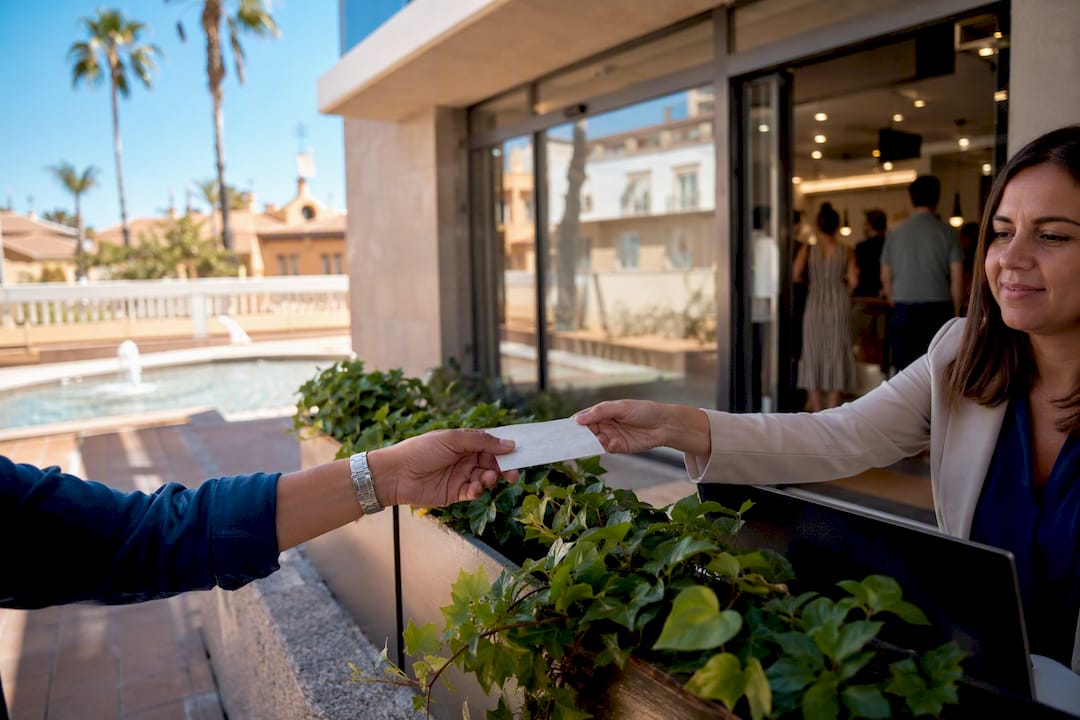
Pro Tip: Scan every document, including the payment receipt, before you hand anything over. Offices lose paperwork more often than anyone likes to admit.
How long does it take to get an NIE?
The official resolution period is a few working days from the date your application is formally registered. That’s the statutory clock, not the whole story.
Five days is the legal target, not the lived experience. Appointment waiting lists, local office backlogs, and postal delays for consular applications routinely stretch the real timeline to several weeks.
- Appointment availability at busy Foreigners’ Offices (Madrid, Barcelona, and coastal provinces especially) can add weeks before you’re even seen.
- Consular processing depends on the post’s own workload and appointment system.
- Property completions and tax deadlines don’t wait for administrative backlogs, so build in a buffer of several weeks when you’re timing a purchase around your NIE.
What are the legal rules behind the NIE card?
The NIE is governed by Ley Orgánica 4/2000 and its implementing regulation, Real Decreto 557/2011. Together, these set out who can request an NIE and on what basis.
To qualify, you must not be in an irregular immigration situation, and you must declare a genuine reason for the request, whether that’s a property purchase, employment, or a tax obligation.
A surprising number of buyers assume that getting an NIE automatically grants them residency rights. It doesn’t. The NIE is an identification number for tax and administrative purposes; residency status is a separate legal matter entirely, governed by different rules and different paperwork.
The most common pitfalls: treating the NIE as proof of residency, submitting foreign documents without the required legalisation, and missing a sworn translation where one’s needed. Each of these can delay or derail an application that would otherwise sail through.
What practical tips speed up the process?
Hiring a local representative who knows the specific provincial office matters more than most applicants expect. Appointment slots, document preferences, and even acceptable proof-of-reason letters vary by province, and someone who works there regularly knows the shortcuts.
- Keep certified copies of your passport and any reason document on hand, not just originals.
- Carry two or three extra passport photocopies; offices rarely accept the excuse that you only brought one.
- Hold on to your appointment confirmation and fee receipt until the NIE is fully issued.
Pro Tip: If you’re applying through a consulate, check that post’s specific NIE page before booking flights home. Rules genuinely differ between Los Angeles, Chicago, and London.
A note from Property-lawyers
I’ve seen how often a missing NIE holds up an otherwise straightforward property purchase. Our directory of English-speaking lawyers exists precisely to stop that happening to you.
[Author credentials and portfolio to be added]
Get help with your NIE and property purchase
Getting your NIE sorted is one job. Buying a property in Spain safely is another, and the two are more tangled together than most buyers realise. Property-lawyers gives you a direct route to a vetted, English-speaking lawyer who handles NIE applications, conveyancing, and everything in between, without you having to piece together consulate rules and provincial quirks yourself.
You can instruct a local lawyer to manage your NIE application from start to finish, grant a power of attorney so someone can act on your behalf if you can’t travel, or have your documents checked before submission to avoid a rejected application. Many buyers use this stage to line up their conveyancing lawyer at the same time, since the same person can often carry both jobs through. If you’re planning a purchase in Marbella, Mallorca, Ibiza, or Barcelona, get in touch with a lawyer through our directory and ask for a quote before you book your NIE appointment.
Sources
- NIE vs TIE in Spain — IE University (Uncover IE)
- Foreigner Identity Number (NIE) — Consulate of Spain in Los Angeles (Ministerio de Asuntos Exteriores)
- Application for NIE for international individuals — Plataforma One
- Assignment of NIE at the request of interested party — National Police electronic headquarters
FAQ
Can I live in Spain without an NIE?
You can visit Spain without one, but you cannot buy property, work, pay tax, or open a bank account without an NIE. Anyone planning a longer stay or a purchase needs to apply.
Can I get a Spanish NIE online?
There’s no fully online NIE application. You must book an in-person appointment at a Foreigners’ Office, Police station, or Spanish consulate, though some steps like fee payment can be completed online in certain provinces.
How much does it cost to get a Spanish NIE number?
The fee is paid through Modelo 790 Código 012, settled at a bank or, in some areas, online. The exact amount is set by the form itself, so check the current figure when you download it rather than relying on older guides.
What documents do I need for an NIE?
You need the EX-15 form in duplicate, a valid passport or EU ID with a photocopy, proof of your reason for applying (such as a property contract), and proof of fee payment via Modelo 790 Código 012.
Do I need a lawyer to get an NIE?
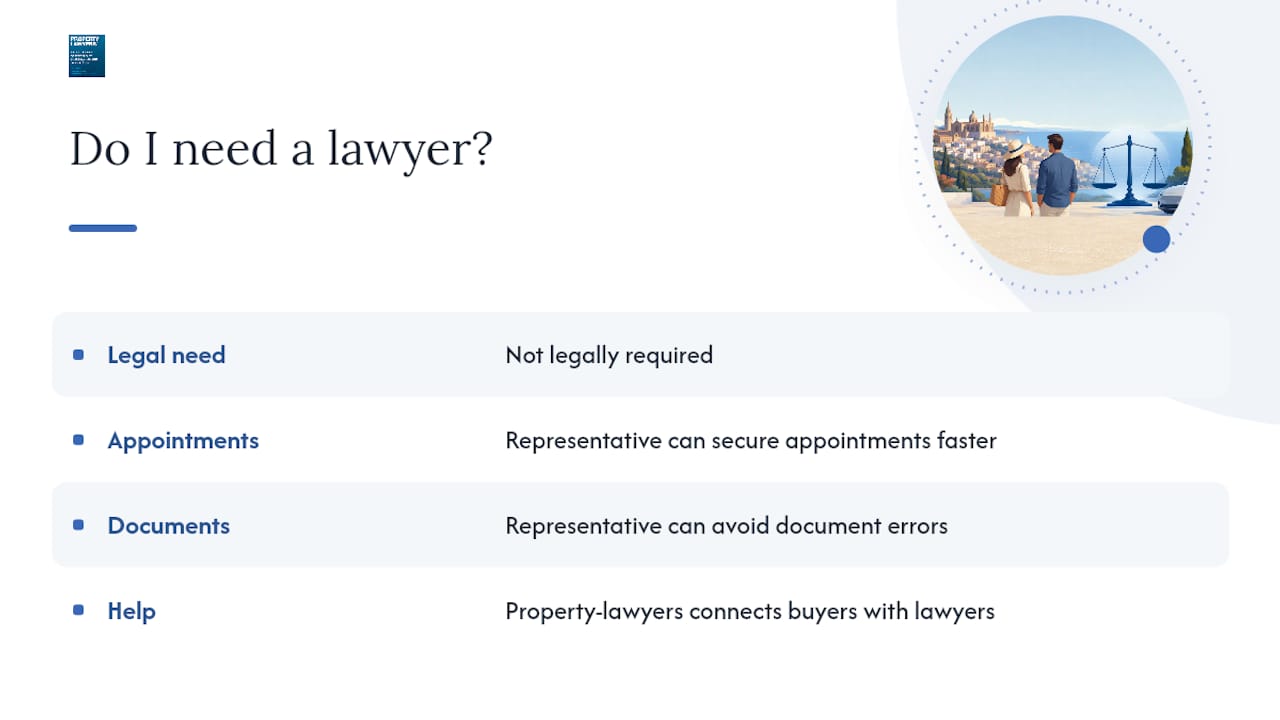
You don’t legally need one, but a local representative familiar with your provincial office can secure appointments faster and avoid document errors. Property-lawyers connects buyers with lawyers who handle this alongside conveyancing.
Recommended
- NIE Number in Spain — Complete Application Guide for Foreign Buyers | Property Lawyers
- Legal checks before buying property in Spain
- Property Buying Guide Spain: Legal Advice for Foreign Buyers
- How foreign buyers are protected under Spanish law

Sophie Gutenberg is a legal content specialist focused on Spanish property law, real estate transactions, conveyancing, due diligence and tax issues affecting international property buyers in Spain. She works alongside qualified Spanish property lawyers .
