
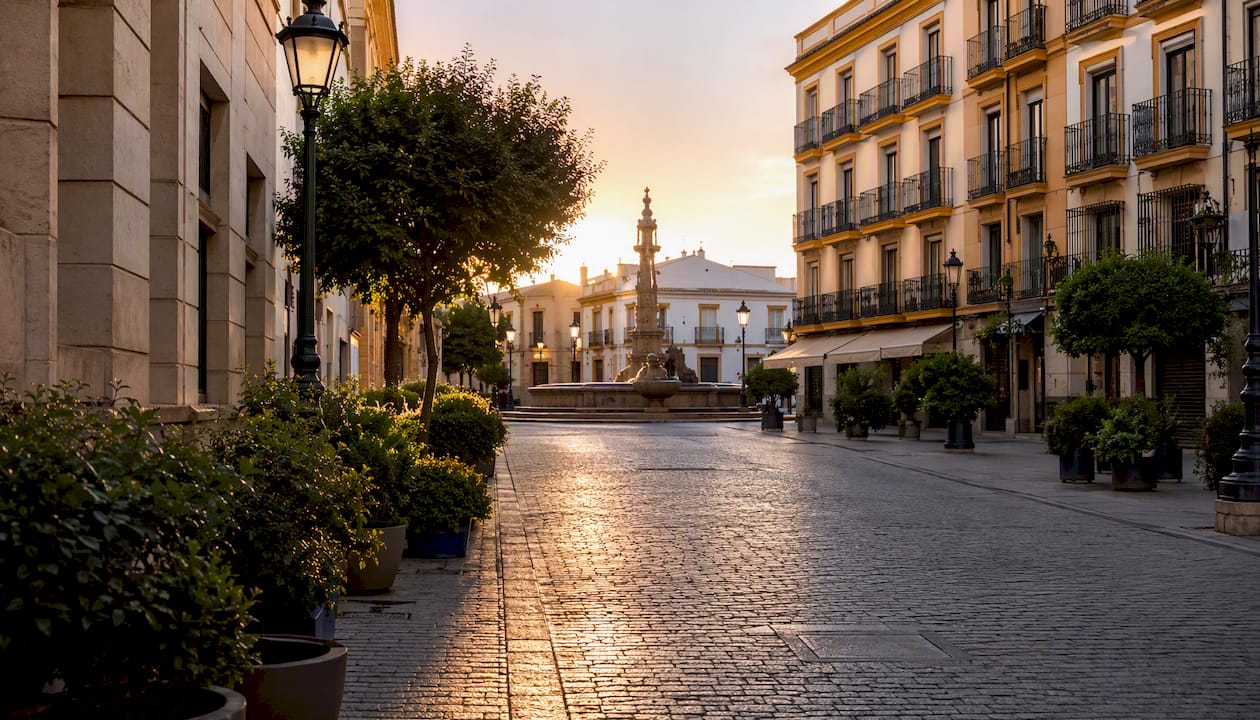
Why urban Spain properties are safer than rural ones
Urban properties in Spain are generally safer than rural ones for international buyers, on three grounds that matter most: legal clarity, reliable services, and resale liquidity. Rural properties can feel wonderfully peaceful, but they carry specific legal and infrastructure risks that catch many foreign buyers off guard. Before you sign anything, the single most important step is to commission a qualified Spanish property lawyer to run full due diligence. That means ordering a nota simple from the Registro de la Propiedad, a certificado de urbanismo from the town hall, and checking all licences and the cédula de habitabilidad (habitation certificate).
Key differences at a glance:
- Urban properties have clear planning status, habitation certificates, mains utilities, and faster emergency response.
- Rural properties often sit on rustic land with building restrictions, no mains water or sewage, and longer distances from emergency services.
- Both property types require a nota simple, planning certificate, and licence checks before you commit.
Key takeaways
Urban properties in Spain are generally safer for international buyers because they offer clearer planning status, verified habitation certificates, reliable utilities, and stronger resale liquidity, while rural properties require deeper legal checks and often carry regularisation risks.
| Point | Details |
|---|---|
| Urban planning status matters most | Always verify land classification (urban vs rustic) before making an offer. |
| Get the core documents | Order a nota simple, certificado de urbanismo, and cédula de habitabilidad for every property. |
| Budget extra for rural purchases | Rural due diligence and potential regularisation can add months and significant cost to a purchase. |
| Crime figures need context | Low provincial crime rates do not equal low legal risk on a specific rural property. |
| Property-lawyers simplifies the search | The directory connects you with vetted, English-speaking Spanish property lawyers by city or region. |
Table of Contents
- Why urban properties in Spain are usually safer for buyers
- Why rural properties can feel safer — and the hidden risks
- Practical legal checks every buyer must do
- Safety, insurance, and emergency services: what changes between urban and rural
- Costs and timeline: what to budget for legal checks and regularisation
- How UK buyers can reduce risk: a step-by-step guide
- Market and safety snapshot for buyers
- What buyers often underestimate about this choice
- Find an English-speaking Spanish property lawyer
- Sources
- FAQ
Why urban properties in Spain are usually safer for buyers
The core reason why urban properties in Spain are safer for most buyers comes down to planning law. Spain classifies land as either suelo urbano (urban) or suelo rústico (rustic/rural), and that classification determines almost everything: what you can build, how you can use the property, and whether it can be legally occupied at all.
Urban properties sit within a municipality’s approved development plan. They typically come with a cédula de habitabilidad, which confirms the property meets health, safety, and habitability standards set by the regional government. They also have documented building licences, clear boundary records, and connections to mains water, electricity, and sewage. All of this is verifiable through official documents, which makes the legal due-diligence process far more straightforward.
Key urban advantages for buyers:
- Clear planning status: Urban land has defined permitted uses and building rights, reducing the risk of enforcement action or demolition orders.
- Habitation certificates: The cédula de habitabilidad confirms legal occupancy and is required for utility contracts and mortgage applications.
- Documented licences: Building permits and first-occupation licences are on record at the town hall.
- Mains utilities: Water, electricity, and sewage connections are standard, with clear legal responsibility for supply.
- Faster emergency services: Police, ambulance, and fire services respond more quickly in urban areas.
- Resale liquidity: More buyers, clearer paperwork, and transparent pricing make urban properties easier to sell. Market data shows the national average at €3,013/m² in March 2026, with coastal cities commanding significant premiums.
- Built-in crime deterrence: Spanish cities increasingly apply CPTED principles (Crime Prevention Through Environmental Design), using natural surveillance, active street frontages, and mixed-use planning to reduce everyday crime opportunities.
Pro Tip: Always ask for a recent nota simple (no older than three months) and a current certificado de urbanismo before making an offer on any urban property. These two documents together confirm who owns the property, whether there are any charges or debts attached to it, and whether the planning status matches what the seller is telling you.
Why rural properties can feel safer — and the hidden risks
Rural living in Spain has genuine appeal. Communities tend to be tight-knit, conventional crime rates are lower, and the sense of space and privacy is real. ThinkSpain’s analysis confirms that rural areas frequently report lower recorded crime than urban centres. For many buyers, that feels like safety.
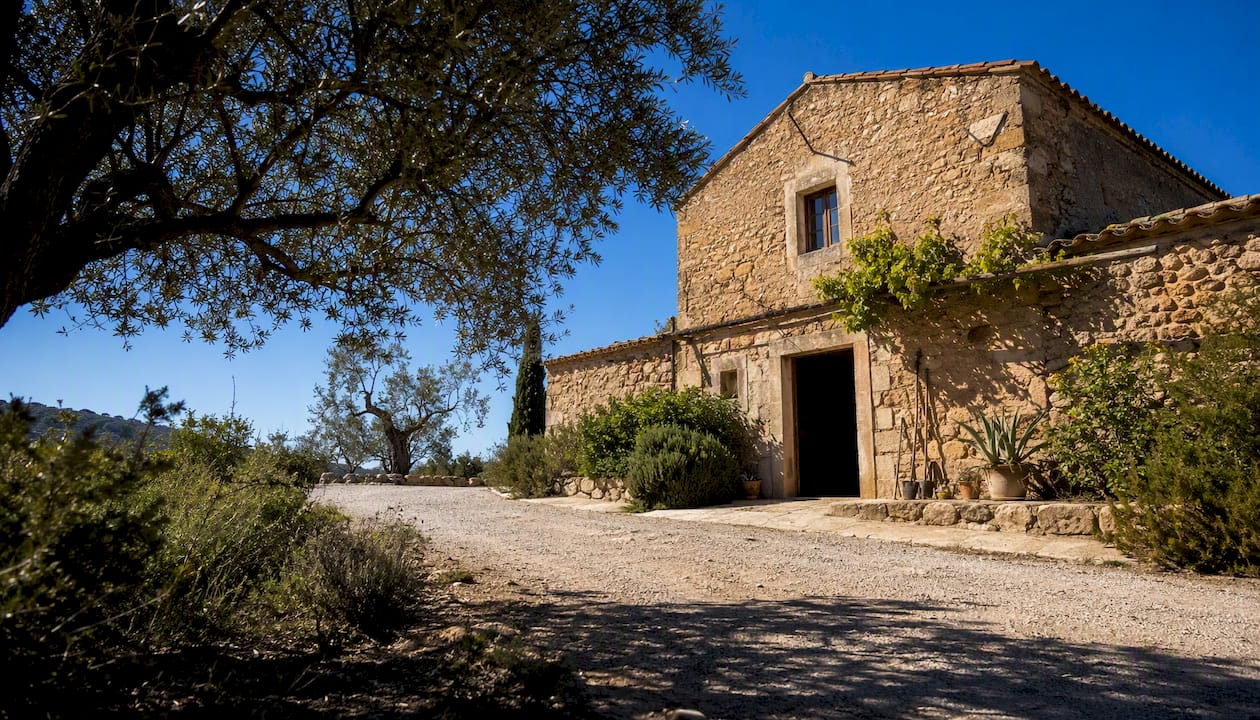
The problem is that legal and infrastructural safety are a different matter entirely.
Rustic land restrictions are the biggest trap. Land classified as rústico cannot be freely built on or reformed without specific municipal or regional approval. Each autonomous community in Spain sets its own rules, and what is permitted in Andalucía may be refused in Catalonia. Many rural properties have had extensions, outbuildings, or swimming pools added without the correct licences. These illegal or unlicensed works create serious problems: insurers may refuse to cover them, resale becomes complicated, and regularisation (if it is even possible) can take years and cost tens of thousands of euros.
Infrastructure risks are equally significant:
- Water supply: Many rural properties rely on private wells or community water systems rather than mains supply. Water rights can be unclear and contested.
- Sewage: Septic tanks are common and require regular maintenance. Connection to mains sewage is often unavailable.
- Electricity: Some remote properties have unreliable grid connections or rely on off-grid systems.
- Road access: Private tracks may not be legally maintained or may cross third-party land without a documented easement.
- Boundaries: Rural boundary records are often imprecise, leading to disputes with neighbours.
For a detailed breakdown of the legal issues specific to rustic land, the rural property legal issues guide on Property-lawyers covers the most common pitfalls by property type.
Pro Tip: If a rural property has any outbuildings, a pool, or extensions added after the original construction, ask the seller for the building licence for each one. If they cannot produce it, treat it as unlicensed until a lawyer confirms otherwise.
Practical legal checks every buyer must do
Whether you are buying in a city or the countryside, the same core checks apply. Here is a step-by-step process you can hand directly to your solicitor.
- Order a nota simple from the Registro de la Propiedad. This confirms the legal owner, the property’s registered description, and any charges, mortgages, or embargoes attached to it.
- Request a certificado de urbanismo from the town hall’s urban planning office. This tells you the land classification, permitted uses, and any planning restrictions or pending enforcement actions.
- Check building licences for the main structure and any extensions, outbuildings, or pools. Ask the town hall for copies of the original licencia de obras and the licencia de primera ocupación.
- Verify the cédula de habitabilidad (or its regional equivalent). This certificate confirms the property is legally habitable. Without it, you cannot connect utilities in your name or obtain a mortgage on the property.
- Check for cargas and easements (servitudes). The nota simple will show registered charges, but your lawyer should also check for unregistered easements, rights of way, or access agreements that affect the property.
- Review planning history at the town hall. Ask specifically whether there are any outstanding enforcement notices, fines (multas), or demolition orders on the property.
- For rural properties, ask for a certificado de urbanismo that specifies the exact rustic land sub-classification and what building or reform is permitted. Some rustic land allows limited residential use; much of it does not.
- Commission a full due-diligence report covering legal title, urban planning, licences, environmental matters, and technical/service issues. As the CMS expert guide to commercial real estate in Spain confirms, this report’s findings should determine the price, any guarantees required, and whether the purchase should proceed at all.
Pro Tip: Engage your English-speaking Spanish property lawyer before you make an offer, not after. Ask them for a short ‘red-flag summary’ covering planning status, licences, and any registered charges. That summary takes a few days and can save you from a very expensive mistake.
Safety, insurance, and emergency services: what changes between urban and rural
Urban and rural properties in Spain carry different safety profiles, and those differences affect your insurance cover and your practical security planning.
Crime patterns differ by location. Urban areas see more opportunistic theft and vandalism, particularly in tourist-heavy cities. Provincial data shows that the Balearic Islands and Barcelona report higher incident rates than inland provinces, largely driven by visitor density. However, urban design in Spanish cities increasingly uses CPTED strategies — natural surveillance, active ground-floor uses, and well-lit public spaces — to reduce everyday crime opportunities. Rural areas have lower conventional crime but face different risks: isolated properties are more vulnerable to targeted burglary when left unoccupied, and the okupa (squatting) issue, while often overstated, is a real concern for properties left empty for long periods.
Insurance implications are significant:
- Insurers may refuse to cover unlicensed works or structures on rural properties, leaving you exposed if something goes wrong.
- Remote properties in wildfire or flood zones attract higher premiums, and some insurers apply exclusions for properties without mains water access.
- Agricultural equipment and outbuildings on rural properties need separate cover.
Emergency response times are longer in rural areas. For medical emergencies, fire, or rescue, this is a practical safety consideration, not just a theoretical one. ThinkSpain notes that slower services and weaker connectivity are structural features of rural Spain that buyers should weigh against the lower crime figures.
Physical security measures for rural properties:
- Perimeter gates and fencing with secure locks
- Motion-activated exterior lighting
- Alarm systems with remote monitoring
- Secure storage for agricultural equipment and vehicles
- Local emergency contacts and a trusted neighbour or property manager
Pro Tip: Before you exchange contracts on any rural property, call your intended insurer and describe the property in full, including any unlicensed works, its distance from the nearest fire station, and its water supply. Get written confirmation that they will cover it. Do not assume.
Costs and timeline: what to budget for legal checks and regularisation
Legal due diligence adds cost and time to any Spanish property purchase. For rural properties with planning irregularities, the additional budget can be substantial.
Typical cost items for any purchase:
- Solicitor/lawyer fees: usually 1–2% of the purchase price
- Notary fees: regulated by the Spanish government, typically a few hundred to a few thousand euros depending on the property value
- Property purchase tax: varies by autonomous community; resale properties typically attract Impuesto de Transmisiones Patrimoniales (ITP) at rates between 6% and 10% depending on the region
- Registro de la Propiedad registration fees: a small percentage of the declared value
- Due-diligence report: €500–€2,000 depending on complexity
- Technical survey: €300–€1,000 for a standard survey; more for complex rural properties
For rural properties with unlicensed works, add:
- Regularisation application fees at the town hall
- Architect or technical surveyor fees for legalisation reports
- Potential fines (multas) for historic unlicensed construction
- Works costs to bring the property into compliance
Timeline:
- Standard urban purchase with clean title: 4–8 weeks from offer to completion
- Rural purchase with planning checks and no irregularities: 6–10 weeks
- Rural purchase requiring regularisation: add 3–12 months, sometimes longer, depending on the municipality and the extent of the works
Market context: Fotocasa’s March 2026 data puts the national average at €3,013/m², with significant variation by province. Provinces such as Teruel, Cáceres, and Lugo report some of the lowest crime rates in Spain, at around 21 crimes per 1,000 inhabitants based on 2025 data, offering a useful benchmark for buyers weighing safety against price.
How UK buyers can reduce risk: a step-by-step guide
Foreign buyers, including those from the UK, face additional layers of complexity when purchasing in Spain. Here is a practical sequence to follow.
- Before viewing: Order a nota simple for any property you are seriously considering. Check the land classification and confirm the seller is the registered owner.
- At the viewing stage: Ask to see the cédula de habitabilidad, all building licences, and the most recent IBI (local property tax) receipt. Unpaid IBI can become your liability after purchase.
- At offer stage: Include a conditional clause making the offer subject to satisfactory legal due diligence. Do not pay a reservation deposit without this protection. Review common buyer pitfalls specific to Spanish purchases before signing anything.
- During due diligence: Instruct an independent English-speaking Spanish solicitor to run the full checks described above. For rural properties, also instruct a local technical surveyor with rural experience to inspect the structure, boundaries, and services.
- Before completion: Confirm all cargas have been cleared, obtain an up-to-date cédula de habitabilidad, verify utility contracts can be transferred to your name, and confirm your insurance cover is in place.
- At completion: Your solicitor handles the escritura (title deed) at the notary and manages the tax filings. Understand your obligations under Spanish foreign investment property rules if you are purchasing as a non-resident.
- After purchase: Register the deed with the Registro de la Propiedad promptly. Set up physical security measures if the property will be left unoccupied for periods. Arrange local emergency contacts and a property manager if needed.
Pro Tip: UK buyers should also apply for their NIE number (Número de Identificación de Extranjero) early in the process. You cannot sign a Spanish property deed or open a Spanish bank account without one. Your solicitor can advise on the application.
Market and safety snapshot for buyers
A few sourced figures help put the urban versus rural safety question in context.
Fotocasa’s Property Index for March 2026 shows:
Spain’s national average property price: €3,013/m²
Foreign buyers represent approximately 13.5% of all purchases, concentrated in coastal and tourist provinces.
Provinces with the lowest recorded crime rates include Teruel, Cáceres, and Lugo, at around 21 crimes per 1,000 inhabitants (2025 data). These are predominantly rural or semi-rural provinces with low population density. By contrast, the Balearic Islands and Barcelona show higher incident rates, driven by tourism and density.
What this means for buyers:
- Low crime in a province does not mean low legal risk on a specific rural property. The two are separate questions.
- High foreign buyer concentration in coastal areas (Málaga, Alicante, Balearics) creates strong resale liquidity but also higher prices and, in some areas, higher crime figures.
- Inland urban centres such as Madrid offer strong liquidity and legal clarity, though at higher price points than rural alternatives.
For buyers weighing up where to buy, the Fotocasa map tool allows you to compare prices, services, and safety indicators by province, which is a useful starting point before engaging a lawyer.
What buyers often underestimate about this choice
The urban versus rural safety question is rarely about crime. Most buyers who ask why urban Spain properties are safer than rural ones are really asking about legal certainty, and that is the right instinct.
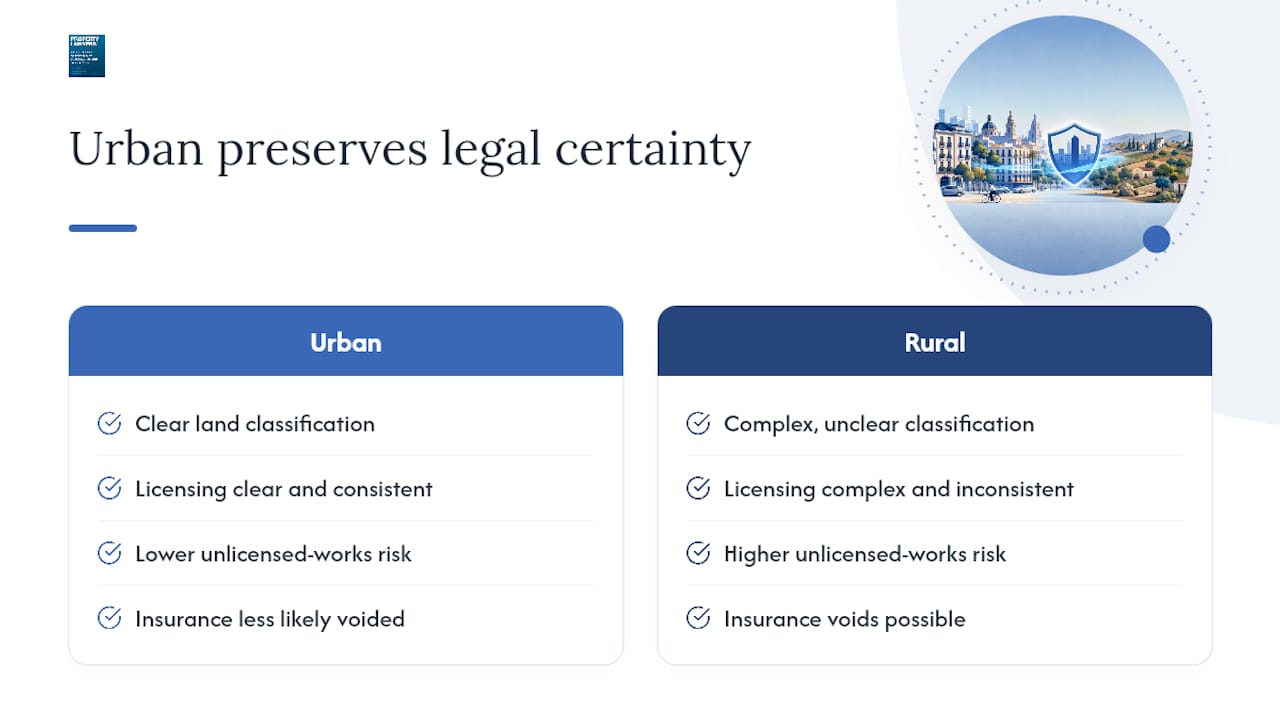
Rural properties in Spain are not inherently dangerous places to live. Many are wonderful. But the legal framework around rustic land is genuinely complex, and the consequences of buying a property with unlicensed works or unclear planning status can be severe: insurance voids, resale difficulties, regularisation costs, and in the worst cases, enforcement action. Urban properties sidestep most of these risks by default, because the planning and licensing framework is clearer and more consistently applied.
What buyers consistently underestimate is the exit risk. Rural purchases often reduce short-term cost while increasing exit friction later. A rural property that was a bargain to buy can become difficult and expensive to sell if the legal paperwork is not clean. Urban properties, by contrast, tend to surface costs earlier but preserve liquidity throughout the ownership period.
The practical conclusion is straightforward: if you want a rural property in Spain, buy it with your eyes open and your lawyer engaged from day one. The due-diligence process for rustic land takes longer and costs more than for an urban apartment, but it is the only way to know what you are actually buying.
Find an English-speaking Spanish property lawyer
Buying property in Spain as a foreign buyer is manageable when you have the right legal support from the start. Property-lawyers connects international buyers with vetted, independent, English-speaking real estate lawyers across Spain, covering cities including Madrid, Málaga, Marbella, Mallorca, Ibiza, and Barcelona.

When you contact a lawyer through the directory, ask specifically for a due-diligence check covering the nota simple, certificado de urbanismo, licences, and cédula de habitabilidad. Lawyer profiles include fee ranges and regional specialisms, so you can match your search to the property’s location. Whether you are buying a city apartment or a rural finca, the Property-lawyers directory gives you a straightforward way to find qualified legal help without the guesswork of searching independently. Search by city or region and get in touch with a lawyer who knows the local planning rules.
Sources
These are the authoritative sources to consult, ideally alongside a qualified Spanish property lawyer.
- CMS expert guide to commercial real estate — Spain
- Rural vs urban life in Spain: what’s the difference? — ThinkSpain
Use these sources as part of a lawyer-led process, not as a substitute for professional legal advice.
This article is general information, not a substitute for advice from a qualified lawyer. Consult a qualified legal professional about your own circumstances before acting on anything here.
FAQ
Are urban properties in Spain always safer than rural ones?
Urban properties are generally safer in legal and regulatory terms because they have clearer planning status, documented licences, and habitation certificates. Rural properties can have lower conventional crime but carry higher legal and infrastructure risks that require careful due diligence.
Can you build on rural land in Spain?
Building on rustic (rural) land in Spain is heavily restricted and varies by autonomous community. Most rustic land permits only limited agricultural or maintenance works; residential construction typically requires specific municipal approval and is often refused.
Is it wise to buy a property in Spain now?
Spain remains an attractive market for foreign buyers, who account for approximately 13.5% of all purchases. Buying is sensible provided you commission full legal due diligence before committing, particularly for rural or coastal properties where planning irregularities are more common.
Which areas of Spain have the lowest crime rates?
Provinces including Teruel, Cáceres, and Lugo report some of the lowest crime rates in Spain, at around 21 crimes per 1,000 inhabitants based on 2025 data. Tourist-heavy provinces such as the Balearic Islands and Barcelona report higher rates, largely driven by visitor density.
What is the most important document to check before buying in Spain?
The nota simple from the Registro de la Propiedad is the starting point: it confirms ownership, the property’s legal description, and any charges or debts. For planning and building compliance, the certificado de urbanismo and cédula de habitabilidad are equally critical.
Recommended
- Rural property legal issues in Spain: types explained
- How to buy off-plan property in Spain safely
- How to avoid property scams in spain (2026)
- Property in Spain: What about the military clearance? | Property Lawyers

Sophie Gutenberg is a legal content specialist focused on Spanish property law, real estate transactions, conveyancing, due diligence and tax issues affecting international property buyers in Spain. She works alongside qualified Spanish property lawyers .
